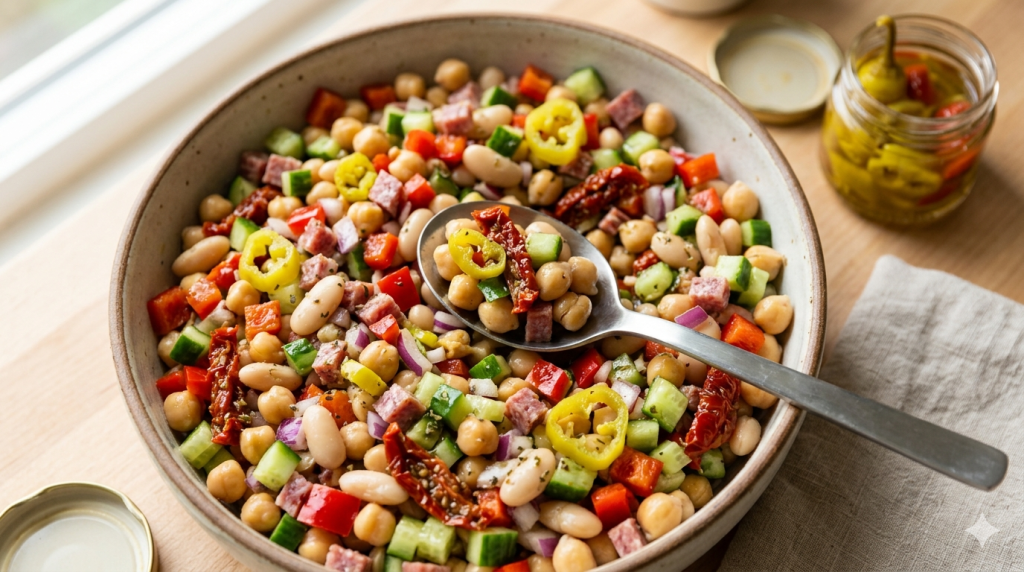
In the fast-paced world of 2026 digital wellness, food trends come and go with the swipe of a thumb. However, one culinary movement has managed to transcend the 15-second fame of TikTok to become a legitimate staple in American kitchens: the Dense Bean Salad (DBS). Pioneered by creator Violet Witchel, this isn’t just another salad; it is a meticulously engineered approach to nutrition, satiety, and convenience that has captured the attention of millions.
As first reported by Fit&Well, the DBS has become the “Holy Grail” of meal prepping for the modern, busy professional. But what makes a bean salad “dense,” and why has this specific formula become the most popular recipe in the creator’s extensive repertoire?
The Anatomy of “Density”: Why This Salad is Different
Traditional salads often rely on leafy greens—arugula, kale, or romaine—which, while healthy, tend to wilt within hours of being dressed. The “Dense Bean Salad” flips the script. By removing the greens as the base and replacing them with high-protein legumes and crunchy aromatics, Witchel has created a meal that actually improves over time.
1. The Protein Powerhouse
Unlike a side salad, the DBS is designed to be a standalone meal. It centers on a combination of chickpeas, cannellini beans, or kidney beans. These legumes provide a dual punch of plant-based protein and complex carbohydrates, ensuring that the dreaded “3 PM slump” is a thing of the past.
2. The Crunch Factor
Texture is the secret to satiety. Witchel’s most popular recipe emphasizes “crunch” through finely diced cucumbers, bell peppers, and red onions. In the world of sensory science, the act of chewing crunchy foods signals to the brain that it is consuming substantial calories, leading to greater fullness.
3. The Marination Magic
Because the base consists of hardy beans rather than fragile leaves, the salad can sit in a vinaigrette for 3 to 5 days. During this time, the beans undergo a process of osmosis, absorbing the acids and spices of the dressing, making the “Day 3” lunch significantly more flavorful than “Day 1.”
The “Most Popular” Recipe: A Step-by-Step Breakdown
While Witchel has released dozens of variations, from Mediterranean to “Grinder-style,” one particular version has risen to the top as the fan favorite. Here is how to reconstruct the viral masterpiece at home.
The Base Layer
Two Cans of Beans: Typically a mix of Garbanzo (chickpeas) and Great Northern beans. Ensure they are rinsed and drained thoroughly to remove excess sodium and improve texture.
Diced Salami or Turkey: For the non-vegetarians, a salty, cured meat adds a savory “umami” depth that elevates the salad from a side dish to a gourmet deli experience.
The Vegetable Medley
Persian Cucumbers: These are preferred for their thin skin and low water content, preventing the salad from becoming soggy.
Sun-Dried Tomatoes: These provide a concentrated burst of sweetness and a chewy texture.
Pickled Elements: Banana peppers or pepperoncinis are non-negotiable. The brine adds the necessary acidity to cut through the creaminess of the beans.
The Signature Vinaigrette
The dressing is where the magic happens. A standard DBS dressing involves:
High-quality Olive Oil
Red Wine Vinegar or Balsamic Glaze
Dried Oregano and Garlic Powder
A “secret” splash of the juice from the pickled pepper jar.
Why It’s Dominating Google Discover in 2026
The surge in interest for Dense Bean Salads isn’t just about taste—it’s a reflection of the current American Economic and Wellness Climate.
Cost-Effectiveness: With food inflation still a concern for many households, beans remain one of the most affordable sources of high-quality nutrition available. A batch that feeds a person for four days often costs less than a single takeout burrito.
The “Anti-Inflammatory” Push: As more Americans move away from ultra-processed snacks, the fiber-heavy DBS fits perfectly into gut-health-focused diets.
Zero-Waste Cooking: Because the salad lasts so long in the fridge, the “spoilage rate” is nearly zero, appealing to the environmentally conscious Gen Z and Millennial demographics.
Pro-Tips from the Creator: Mastering the DBS
According to Violet Witchel, the most common mistake beginners make is undersalting. Since beans are neutral in flavor, they require a generous hand with seasoning and acid.
Another tip? The “Diced Small” Rule. The goal of a Dense Bean Salad is to get every single ingredient in a single spoonful. This requires a commitment to chopping everything into uniform, pea-sized pieces. It’s a meditative process that Witchel’s followers find strangely therapeutic.
Conclusion: The Future of the Lunchbox
The Dense Bean Salad is more than a TikTok trend; it is a structural rethink of the American lunch. By prioritizing durability, protein density, and vibrant flavors, Violet Witchel has provided a blueprint for healthy eating that actually fits into a hectic 21st-century schedule. Whether you are a fitness enthusiast looking for a post-workout refuel or a parent trying to streamline the work week, the DBS is a testament to the power of simple, well-chosen ingredients.
Frequently Asked Questions (FAQ)
1. How long does a Dense Bean Salad stay fresh in the fridge?
Unlike traditional salads, a DBS actually gets better with age. It typically stays fresh and crunchy for 4 to 5 days when stored in an airtight glass container.
2. Can I make this vegan?
Absolutely. Simply swap the salami for smoked tofu or extra sun-dried tomatoes, and use a vegan-friendly cheese alternative or nutritional yeast for that salty, savory kick.
3. Are canned beans as healthy as dried beans?
Yes, canned beans retain most of their nutritional value. To make them even healthier, choose “low sodium” options and rinse them under cold water for at least 30 seconds to remove up to 40% of the remaining sodium.
4. Why is it called “Dense”?
The term refers to the nutrient density and the physical weight of the ingredients. There is no “filler” like lettuce or air; every bite is packed with fiber, protein, and healthy fats.
5. Can I freeze a Dense Bean Salad?
It is not recommended to freeze the salad. The fresh vegetables like cucumbers and peppers have high water content; once frozen and thawed, they will lose their signature “crunch,” resulting in a mushy texture.