If you’ve tried every supplement and yogurt on the market but still feel like a “food baby” after lunch, you might be ignoring the simplest biological trick in the book. Here is why the way you move—not just what you eat—is the ultimate game-changer for gut health.
Bloating is more than just a physical discomfort; for many, it’s a daily source of anxiety that dictates clothing choices and social plans. While the wellness industry often pushes expensive probiotics, digestive enzymes, or restrictive “detox” teas, registered dietitians are pointing toward a much simpler, free, and scientifically backed solution.
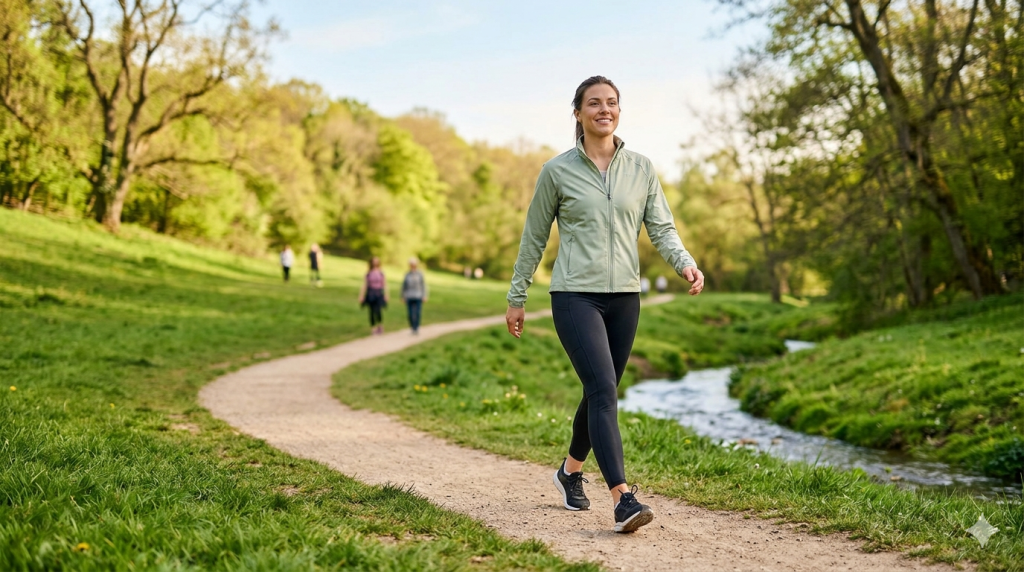
According to experts, the most overlooked “hack” to reduce bloating after meals isn’t something you swallow—it’s a 10-to-15-minute gentle post-meal walk.
The Science of the “Post-Meal Stroll”
It sounds too simple to be true, but the physiology behind a short walk after eating is profound. When you move your body, you stimulate gastric motility. This is the process by which food moves through your digestive tract.
When we sit still after a heavy meal, the digestive system can become sluggish. Gas, which is a natural byproduct of digestion, can get trapped in the curves of the intestines, leading to that tight, “inflated” feeling. By simply walking at a leisurely pace, you help mechanically move that gas through the system and encourage the stomach to empty more efficiently into the small intestine.
Research published in journals like Diabetes Care has also shown that a short walk after eating significantly blunts blood sugar spikes. High blood sugar and insulin resistance are often linked to systemic inflammation, which can indirectly exacerbate gut sensitivity and bloating.
Why We Overlook the Simple Fix
In a culture obsessed with “biohacking” and “superfoods,” we often skip over the foundational habits. We look for a pill to fix a problem that is often caused by our sedentary lifestyle.
“Most people finish a meal and immediately return to their desks or slouch on the couch to watch TV,” says a leading nutritionist. “This posture compresses the abdominal cavity, making it even harder for gas to escape and for the GI tract to do its job. We’ve forgotten that our bodies were designed to move to process fuel.”
Beyond Walking: The Full Bloat-Busting Protocol
While walking is the “hidden hack,” a comprehensive approach to a flatter stomach involves several other science-backed strategies:
1. The Art of “Mindful Mastication”
Digestion begins in the mouth, not the stomach. Saliva contains amylase, an enzyme that starts breaking down carbohydrates immediately. If you inhale your food in five minutes, you’re sending large, un-chewed particles to your stomach. This forces your gut to work overtime, leading to fermentation and—you guessed it—gas. Aim to chew each bite 20 to 30 times.
2. Beware of “Hidden Air”
Often, bloating isn’t caused by the food itself, but by the air we swallow (aerophagia). Drinking through a straw, chewing gum, or talking excessively while eating can fill your stomach with air before you’ve even finished your plate.
3. Strategic Hydration
While staying hydrated is crucial, chugging a massive bottle of ice-cold water during a meal can dilute stomach acid and enzymes. Dietitians recommend sipping small amounts of room-temperature water or ginger tea during meals, saving the heavy hydration for between meals.
The Role of Fiber and Fermentation
For some, bloating is a reaction to specific types of carbohydrates known as FODMAPs (Fermentable Oligosaccharides, Disaccharides, Monosaccharides, and Polyols). These are found in healthy foods like garlic, onions, beans, and certain fruits. If you find that even a healthy salad makes you bloat, you might have a sensitivity to these fermentable sugars.
However, before cutting out healthy food groups, try the “walking hack” first. Improving motility often allows the body to handle fiber much more effectively.
Conclusion: Reclaiming Your Gut Comfort
You don’t need a 20-step morning routine or a shelf full of supplements to fix your digestion. The most effective tool you have is already at your disposal: your legs. By implementing a “non-negotiable” 10-minute walk after your largest meal of the day, you are working with your biology instead of against it.
Start today. Finish your lunch, step outside, and let gravity and movement do the heavy lifting for your gut. Your wardrobe—and your digestive system—will thank you.
FAQ: Frequently Asked Questions About Bloating
1. How soon after eating should I start walking? Ideally, within 15 to 30 minutes of finishing your meal. You don’t need to rush; a gentle, leisurely pace is actually better for digestion than a brisk, high-intensity walk which might divert blood flow away from the gut to the muscles.
2. Can I do yoga instead of walking? Yes! Certain poses, like the “Cat-Cow” or a gentle “Seated Twist,” can help massage the internal organs and encourage gas to move through the system. However, avoid intense inversions or deep abdominal crunches immediately after eating.
3. Are probiotics useless for bloating? Not at all. Probiotics can be very helpful for long-term microbiome health. However, they are often seen as a “quick fix” for immediate bloating, which they are not. Walking provides immediate mechanical relief, while probiotics work on the underlying bacterial balance over weeks or months.
4. When should I see a doctor about bloating? If your bloating is accompanied by severe pain, unintended weight loss, fever, or a significant change in bowel habits, it is important to consult a healthcare professional to rule out conditions like SIBO (Small Intestinal Bacterial Overgrowth), Celiac disease, or IBD.