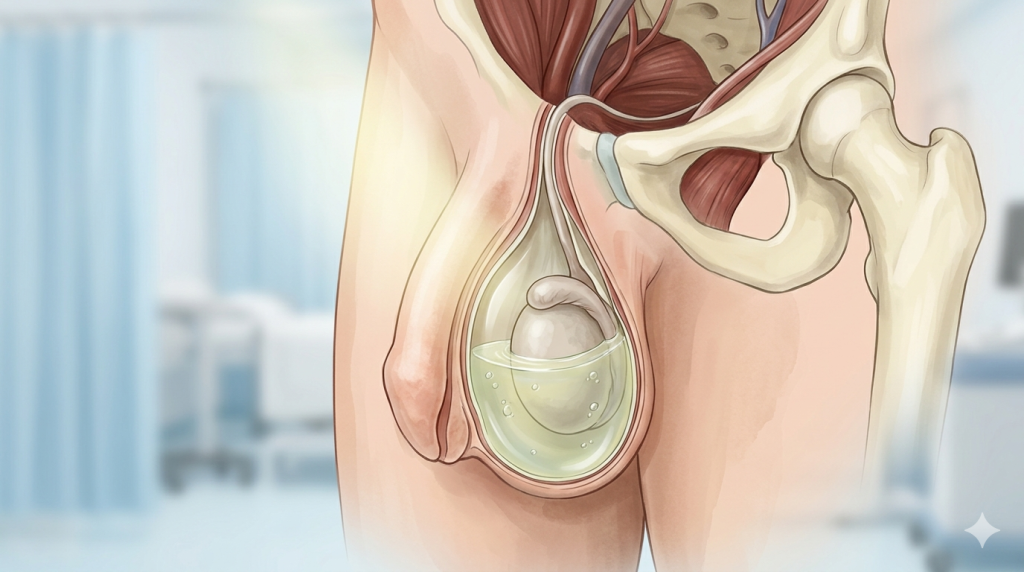
The human body is a complex system of channels and membranes, and sometimes, those channels don’t behave as expected. One common yet often misunderstood condition is a hydrocele—a swelling in the scrotum that occurs when fluid collects in the thin sheath surrounding a testicle. While it is frequently seen in newborns, it can develop in men of any age, leading to discomfort, physical changes, and anxiety.
Understanding the mechanics of a hydrocele, recognizing its symptoms, and knowing when to consult a healthcare professional are essential steps for maintaining reproductive health.
What is a Hydrocele?
At its core, a hydrocele is a painless buildup of watery fluid around one or both testicles. This causes the scrotum or groin area to swell. While the appearance can be alarming, a hydrocele itself is typically not dangerous and does not usually affect fertility. However, because it mimics the appearance of more serious conditions—such as an inguinal hernia or testicular cancer—it always requires a professional medical evaluation.
How it Forms: The Anatomy of Fluid
To understand a hydrocele, we must look at the tunica vaginalis. This is a thin serous membrane that covers the testicles. Normally, a tiny amount of fluid exists between the layers of this membrane to allow the testicle to move freely. A hydrocele occurs when:
Too much fluid is produced.
The body fails to reabsorb the fluid properly.
A “communication” remains open between the abdomen and the scrotum.
The Two Primary Types of Hydroceles
Medical professionals categorize hydroceles based on how they formed and whether they remain connected to the abdominal cavity.
1. Non-Communicating Hydroceles
This is the most common type in adults. In this scenario, the inguinal canal (the passage through which the testicles descend before birth) closes normally, but the body produces excess fluid or fails to drain the fluid already trapped within the tunica vaginalis. These hydroceles stay the same size throughout the day and do not fluctuate with activity.
2. Communicating Hydroceles
Common in infants but also seen in adults, a communicating hydrocele occurs when the inguinal canal stays open. This creates a literal “communication” or “tunnel” between the abdomen and the scrotum.
The Shift: Fluid can flow back and forth.
Physical Change: The swelling may appear smaller in the morning (after lying flat) and larger or more “tense” in the evening after gravity and activity have pushed more abdominal fluid into the scrotum.
Causes and Risk Factors
The causes of a hydrocele differ significantly between age groups.
In Newborns and Infants
Before birth, a male fetus’s testicles descend from the abdomen into the scrotum through a tube called the processus vaginalis. Usually, this tube closes. If it stays open, fluid leaks down, causing a hydrocele. If the opening is wide enough, it may even allow a loop of intestine to slip through, resulting in an inguinal hernia.
In Adults and Older Males
For men, a hydrocele is often an “acquired” condition. Potential triggers include:
Injury or Trauma: A direct blow to the scrotum can cause inflammation and fluid accumulation.
Infection: Conditions like epididymitis (inflammation of the coiled tube at the back of the testicle) or orchitis (testicle infection) can trigger fluid buildup.
Post-Surgical Complications: Sometimes, surgery for a hernia or varicocele can inadvertently lead to a hydrocele.
Inflammation: General scrotal inflammation from unknown sources.
Identifying the Symptoms
The hallmark of a hydrocele is painless swelling. Most men first notice a change in the symmetry of the scrotum or a feeling of “heaviness.”
Common Indicators:
Visible Swelling: One side of the scrotum looks significantly larger than the other.
Heaviness: A dragging sensation or a feeling that the scrotum is weighted down.
Discomfort: While rarely “sharp” pain, the sheer size of a large hydrocele can cause dull aching or skin irritation from rubbing against clothing.
Size Fluctuation: As mentioned, if the hydrocele is communicating, it may change size depending on your level of activity.
Important Note: If scrotal swelling is accompanied by sudden, severe pain, seek emergency care immediately. This could indicate testicular torsion, a surgical emergency where the blood supply to the testicle is cut off.
Diagnosis: What to Expect at the Doctor
If you notice a lump or swelling, a primary care physician or a urologist will perform a few simple tests:
Physical Exam: The doctor will feel the scrotum to check for tenderness and to determine if the lump is separate from the testicle.
Transillumination: This is a classic diagnostic tool. The doctor shines a high-intensity light through the scrotum. Because a hydrocele is filled with clear fluid, the light will illuminate the scrotum (it will glow red). If the light does not pass through, the mass may be solid, indicating a hernia or a tumor.
Ultrasound: If the physical exam is inconclusive, a scrotal ultrasound provides a clear image of the internal structures, confirming the presence of fluid and ensuring the testicles themselves are healthy.
Treatment Options
In many cases, a “wait and see” approach is the best medicine, especially for infants (where they often resolve by age one) or adults with small, asymptomatic swellings.
Surgical Intervention (Hydrocelectomy)
If the hydrocele becomes too large, causes discomfort, or is associated with a hernia, surgery is recommended. This is typically an outpatient procedure performed under general or regional anesthesia. The surgeon makes a small incision in the scrotum or lower abdomen to drain the fluid and remove the sac to prevent recurrence.
Aspiration and Sclerotherapy
For men who are not good candidates for surgery, a needle can be used to drain the fluid (aspiration). To prevent the fluid from returning, a thickening solution (sclerotherapy) may be injected. However, surgery remains the “gold standard” as aspiration has a higher rate of recurrence.
Frequently Asked Questions (FAQ)
Q: Can a hydrocele turn into cancer? A: No. A hydrocele is a collection of fluid and is benign. However, a hydrocele can sometimes hide an underlying tumor, which is why a professional diagnosis is vital.
Q: Does a hydrocele affect sex drive or fertility? A: Generally, no. A hydrocele is external to the testicle and does not interfere with hormone production or sperm quality. However, if it is caused by an infection (like epididymitis), that infection could potentially impact fertility if left untreated.
Q: Can I drain a hydrocele at home? A: Absolutely not. Attempting to drain a hydrocele with a needle at home can lead to severe infection, hemorrhage, and permanent damage to the scrotal structures.
Q: How long is the recovery after surgery? A: Most men can return to light activities within 2–3 days, but strenuous exercise and heavy lifting should be avoided for 2–4 weeks to ensure proper healing.
Conclusion
While a hydrocele is usually a harmless condition, it is an undeniable signal from your body that something has changed. Whether it’s a minor fluid imbalance or a symptom of an underlying injury, getting a professional evaluation provides peace of mind. By understanding the causes and symptoms, you can take a proactive role in your urological health and ensure that a small swelling doesn’t become a big problem.