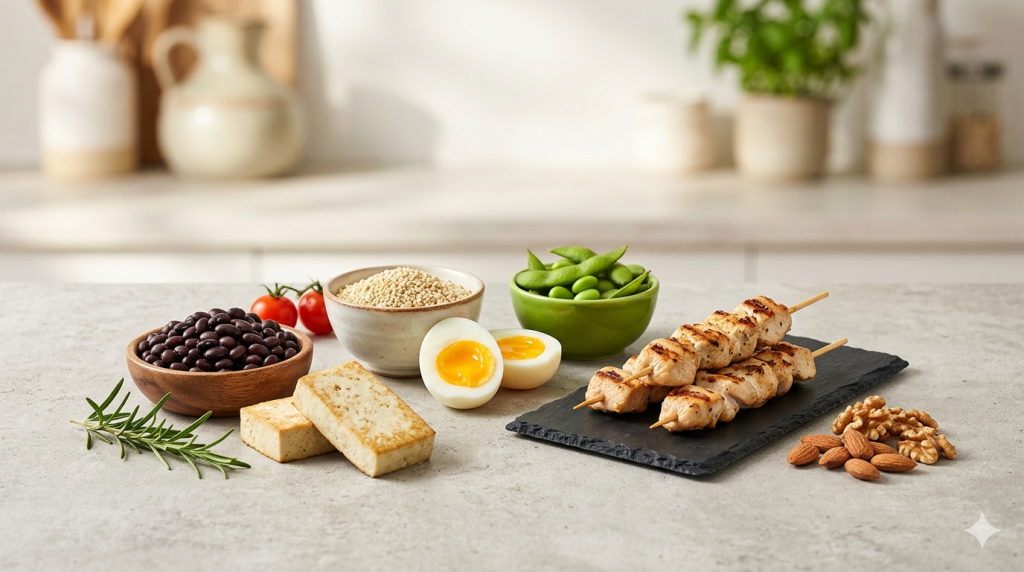
In the fast-paced world of modern wellness, we are often bombarded with conflicting advice about what to eat. One day carbs are the enemy; the next, fats are under fire. However, if there is one nutrient that stands the test of time and scientific scrutiny, it is protein. Far beyond its reputation as a “muscle builder” for gym enthusiasts, protein is the biological scaffolding for nearly every process in the human body.
According to leading nutritional experts, prioritizing protein isn’t just about fitness—it’s the secret to conquering midday slumps, managing uncontrollable cravings, and keeping your complex hormonal system in harmony.
The Satiety Secret: Why Protein Keeps You Full
One of the most immediate benefits of a high-protein diet is its profound impact on appetite regulation. Have you ever noticed that a breakfast of pancakes leaves you starving by 10:00 AM, while a breakfast of eggs keeps you powered until lunch? This isn’t a coincidence; it’s biochemistry.
The Hormone Connection Protein consumption influences the production of several “fullness” hormones:
Cholecystokinin (CCK): Released in the gut to signal that you are satisfied.
GLP-1 and Peptide YY: These hormones slow down gastric emptying, meaning food stays in your stomach longer, providing a physical sensation of fullness.
Ghrelin Suppression: Protein is the most effective macronutrient at suppressing ghrelin, the “hunger hormone” that tells your brain it’s time to eat.
By stabilizing these signals, protein helps prevent the “blood sugar roller coaster” that leads to overeating and impulsive snacking.
Sustained Energy vs. The Sugar Crash
Many people reach for caffeine or sugary snacks when their energy dips. While these provide a quick spike, they are inevitably followed by a crash. Protein offers a different solution: metabolic stability.
Unlike carbohydrates, which are broken down quickly into glucose, protein requires more effort for the body to process. This creates a slow, steady release of energy. Furthermore, protein plays a vital role in transporting oxygen through the blood via hemoglobin. Without adequate protein intake, you may experience fatigue, brain fog, and physical lethargy, even if you are sleeping well.
Hormonal Health: The Invisible Architect
Perhaps the most underrated role of protein is its contribution to hormone health. Hormones are chemical messengers, and many of them—including insulin, estrogen, testosterone, and growth hormone—are either made of protein or require amino acids for their synthesis.
Insulin Sensitivity: High-protein meals help blunt the insulin response to carbohydrates, which is crucial for metabolic health and preventing insulin resistance.
Thyroid Function: The thyroid gland requires specific amino acids, such as tyrosine, to produce hormones that regulate your metabolism.
Stress Management: Amino acids like tryptophan are precursors to serotonin (the “feel-good” hormone), which helps manage cortisol levels and improve mood.
How to Optimize Your Protein Intake
It isn’t just about how much protein you eat, but when and what kind. Experts suggest a “protein-forward” approach to every meal to maximize these benefits.
1. Prioritize Quality Sources
Not all proteins are created equal. Focus on complete proteins that contain all nine essential amino acids:
Animal-based: Lean beef, poultry, wild-caught fish, eggs, and Greek yogurt.
Plant-based: Quinoa, soy (tofu/tempeh), buckwheat, and combinations like beans and rice.
2. The “30-30-30” Rule
Many nutritionists now recommend consuming at least 30 grams of protein within 30 minutes of waking up. This sets your metabolic tone for the day, stabilizes your blood sugar early, and significantly reduces the likelihood of late-night binging.
3. Diversify Your Plate
While shakes and bars are convenient, whole-food sources provide additional micronutrients (like Vitamin B12, Iron, and Zinc) that processed supplements often lack. Aim for a mix of legumes, seeds, nuts, and lean meats to ensure a broad spectrum of amino acids.
Conclusion: A Foundation for Longevity
Prioritizing protein is more than a dietary trend; it is a fundamental shift toward better metabolic and hormonal health. By ensuring every meal contains a high-quality protein source, you are effectively “armor-plating” your energy levels and protecting your body from the fluctuations of modern life. Whether your goal is weight management, better sleep, or simply feeling more vibrant, protein is the essential tool that makes those goals attainable.
Frequently Asked Questions (FAQ)
Q: How much protein do I actually need per day? A: While the RDA is 0.8 grams per kilogram of body weight, many experts suggest active individuals aim for 1.2 to 1.6 grams per kilogram to support muscle maintenance and satiety.
Q: Can I eat too much protein? A: For most healthy individuals, the kidneys can process high amounts of protein without issue. However, balance is key—excessive protein at the expense of healthy fats and fiber-rich vegetables can lead to nutrient gaps.
Q: What are the best plant-based protein options? A: Lentils, chickpeas, edamame, and hemp seeds are excellent choices. For a complete amino acid profile, consider soy products or mixing grains with legumes.
Q: Does protein help with weight loss? A: Yes, through two main mechanisms: Satiety (eating less overall) and the Thermic Effect of Food (TEF). Your body burns more calories digesting protein than it does digesting fats or carbs.
Q: Should I eat protein before or after a workout? A: Both are beneficial, but post-workout protein is critical for repairing the micro-tears in muscle fibers caused by exercise, leading to better recovery and strength gains.