The days of “one-size-fits-all” fitness supplements are officially over. As the American wellness industry shifts toward precision nutrition, a new generation of protein powders tailored specifically for the female physiology is emerging—prioritizing hormonal balance, metabolic health, and clean-label transparency over marketing gimmicks.
The Evolution of the Female Protein Market
For decades, the protein powder industry in the United States was a landscape of hyper-masculine branding: black tubs, aggressive font choices, and a singular focus on “bulking.” When products were aimed at women, they were often just “pink-washed” versions of the same formulas—lower in calories but lacking in functional benefits.
In 2026, the narrative has fundamentally changed. Driven by a surge in longevity research and a deeper understanding of the female endocrine system, American women are no longer just looking for a post-workout shake. They are looking for a foundational health tool. Whether it is supporting muscle protein synthesis during perimenopause or finding a bloat-free plant-based alternative, the criteria for the “best” protein powder have become significantly more sophisticated.
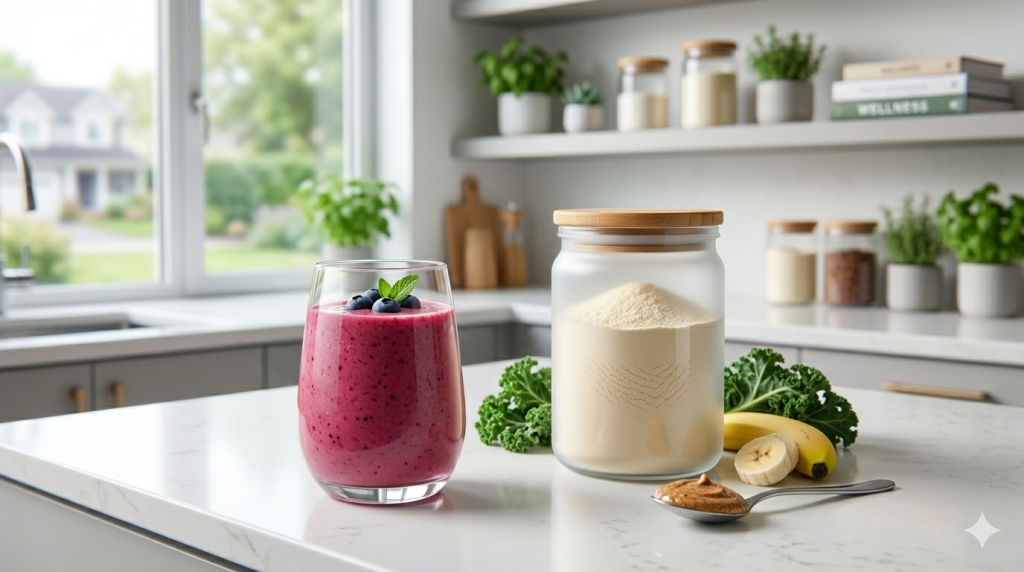
[Image: A modern kitchen counter with high-quality, minimalist protein supplement packaging and fresh ingredients]
Why Protein is the Key to “Active Longevity”
In the U.S., the “Strong, Not Skinny” movement has evolved into a focus on Active Longevity. Clinical data highlights that women are at a higher risk for sarcopenia (muscle loss) and bone density issues as they age. High-quality protein intake is the primary defense against these conditions.
“Protein isn’t just for bodybuilders anymore,” says a leading sports nutritionist based in Los Angeles. “For the modern American woman, it’s about metabolic flexibility, stable blood sugar, and supporting the structural integrity of hair, skin, and nails. It is arguably the most important macronutrient in the cabinet.”
The 2026 Gold Standard: What to Look For
When navigating the crowded aisles of stores like Whole Foods or browsing digital health platforms, the savvy consumer is looking for more than just grams of protein. Here are the pillars of a top-tier 2026 formula:
1. The Bioavailability Factor: Whey vs. Plant
While the U.S. has seen a massive move toward veganism, Whey Isolate remains the gold standard for those who can tolerate dairy, due to its complete amino acid profile and rapid absorption. However, Multi-Source Plant Proteins (combining pea, brown rice, and pumpkin seed) have finally closed the gap, offering high leucine content—the key amino acid for triggering muscle repair—without the digestive distress often associated with lower-quality powders.
2. Hormonal and Digestive Support
The “best” powders now integrate functional ingredients that address common female health concerns:
Digestive Enzymes: To eliminate the “protein bloat.”
Myo-Inositol: To support blood sugar regulation and PCOS management.
Chelated Magnesium: To aid in recovery and sleep quality.
3. Third-Party Transparency (The NSF/Clean Label Project)
In an unregulated supplement market, American women are demanding proof. Products that carry NSF Certified for Sport or Clean Label Project certifications are winning the market, ensuring that the powder is free from heavy metals, pesticides, and hidden plasticizers.
Top Categories for Women’s Protein in 2026
The “Cleanest” Whey: Grass-Fed Isolate
For the woman prioritizing purity, grass-fed whey isolates from regenerative farms in the U.S. Midwest are the top pick. These are typically cold-processed to preserve the immunoglobulins that support the immune system.
The “Gut-Friendly” Vegan: Fermented Pea Protein
Fermentation is the big trend of 2026. By fermenting plant proteins, brands are making them significantly easier to digest and increasing the bioavailability of the nutrients, making them a favorite for those with sensitive GI tracts.
The Beauty Hybrid: Collagen + Complete Protein
Many American women are opting for blends that combine bovine or marine collagen with a complete protein source. This dual-action approach targets muscle recovery while simultaneously providing the building blocks for skin elasticity and joint health.
How to Integrate Protein for Maximum Metabolic Impact
It is no longer just about what you take, but when. The “Anabolic Window” theory has been replaced by the concept of Protein Pacing.
The Breakfast Pivot: Data suggests that hitting 30g of protein at breakfast is the most effective way for women to manage cortisol levels and prevent late-day sugar cravings.
The Perimenopause Protocol: For women in their 40s and 50s, increasing protein intake is critical to counteracting the natural decline in estrogen, which affects how the body builds and maintains muscle.
[Image: A woman in athletic wear preparing a protein smoothie with berries and spinach]
Conclusion: Investing in Your Future Self
The search for the best protein powder is ultimately an investment in long-term health. As we move through 2026, the trend is clear: Quality over Quantity. The American woman is looking for brands that respect her physiology, provide transparent sourcing, and deliver results that go beyond the gym. By choosing a protein that aligns with your specific life stage and dietary needs, you are doing more than just recovering from a workout—you are building a resilient foundation for the decades to come.
FAQ: Protein Powder for Women in 2026
Q: Will protein powder make me look “bulky”? A: No. Women generally do not have the testosterone levels required to build massive muscle bulk simply from protein. Instead, protein supports a “toned” appearance by preserving lean muscle mass while you lose body fat.
Q: Can I use protein powder as a meal replacement? A: While convenient, a protein shake alone is usually not a complete meal. To make it a balanced meal replacement, you should add a source of healthy fats (like avocado or almond butter) and fiber (like spinach or chia seeds).
Q: Is it better to take protein before or after a workout? A: For most women, the total daily intake of protein is more important than the exact timing. However, consuming 20-30g of protein within 2 hours of a workout can optimize muscle repair.
Q: Are there specific ingredients I should avoid? A: Look out for artificial sweeteners like aspartame or acesulfame potassium, as well as “thickeners” like carrageenan, which can cause gut inflammation in some individuals. Aim for natural sweeteners like Stevia or Monk Fruit.
Q: Can I take protein powder if I am pregnant or breastfeeding? A: Most clean, third-party tested proteins are safe, but it is essential to choose a “clean label” product to avoid heavy metals. Always consult with your OB-GYN before adding any new supplement to your routine during this period.