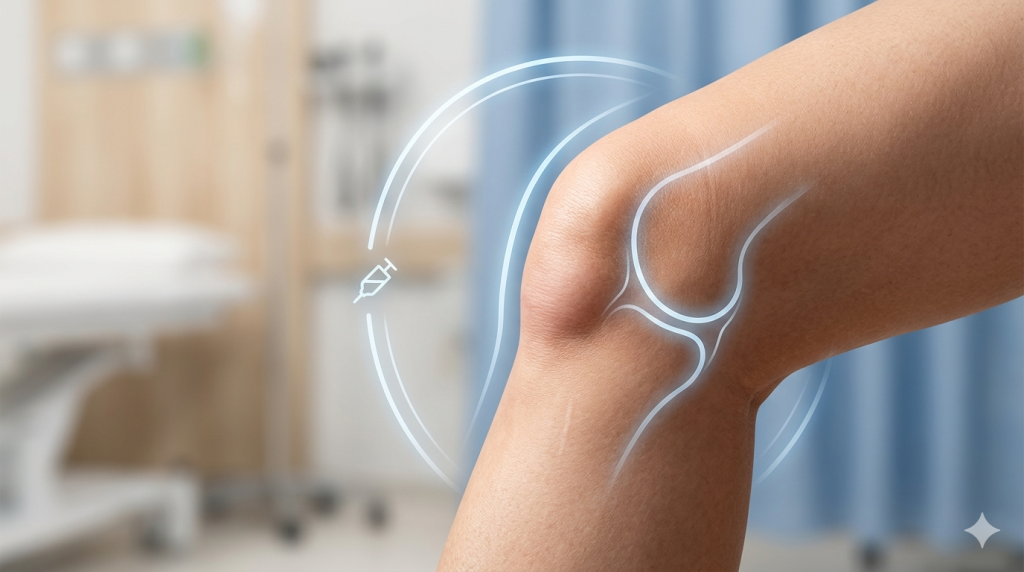
Joint effusion, often colloquially referred to as “fluid on the joint,” is more than just a temporary swelling. It is a critical physiological signal from the musculoskeletal system indicating an underlying imbalance. When the volume of synovial fluid exceeds normal levels, it transitions from a vital lubricant to a source of internal pressure, pain, and restricted mobility. Recognizing the root causes and early warning signs is essential for preserving long-term joint integrity.
1. The Physiology: Why Does Fluid Accumulate?
In a healthy joint, the synovial membrane produces a small amount of synovial fluid to lubricate cartilage and deliver essential nutrients. However, when the joint is subjected to trauma, infection, or chronic irritation, the membrane reacts by overproducing this fluid as a protective—albeit problematic—response. This abnormal accumulation is known as joint effusion.
This excess fluid creates significant intra-articular pressure, stretching the joint capsule and leading to visible edema (swelling). This pressure not only causes discomfort but can also interfere with the joint’s mechanical function.
2. Common Causes of Joint Effusion
Pinpointing the exact cause is the most vital step in establishing an effective treatment plan. Effusion typically stems from three primary categories:
Physical Trauma
Acute injuries are the most frequent triggers for sudden swelling. High-impact events such as sports injuries, falls, or vehicular accidents can cause:
Intra-articular Fractures: Leading to bleeding within the joint space (hemarthrosis).
Ligament or Meniscus Tears: Particularly common in the knee (e.g., ACL or meniscus injuries).
Overuse Injuries: Repetitive micro-traumas that keep the synovial membrane in a state of constant irritation.
Inflammatory and Degenerative Conditions
Osteoarthritis (OA): As cartilage wears down, debris can float in the synovial fluid, triggering an inflammatory response and subsequent fluid buildup.
Rheumatoid Arthritis (RA): An autoimmune disorder where the immune system directly attacks the synovial lining.
Crystalline Arthropathies (Gout and Pseudogout): The formation of uric acid or calcium pyrophosphate crystals causes intense, acute inflammation and rapid effusion.
Septic Arthritis (Infection)
This is considered a medical emergency. Bacteria, viruses, or fungi can enter the joint space via the bloodstream or an open wound, resulting in severe inflammation and the accumulation of purulent fluid (pus).
3. Identifying the Symptoms: When to Seek Help
While symptoms vary based on the location, the hallmarks of joint effusion include:
Visible Swelling: The affected joint appears significantly larger or “puffy” compared to the opposite side. In the knee, the natural indentations around the kneecap may disappear.
Joint Stiffness: Difficulty fully bending or straightening the limb due to internal fluid pressure.
Pain: Discomfort can range from a dull ache to sharp pain, especially during weight-bearing activities.
Warmth and Redness: A joint that feels hot to the touch or appears red often indicates acute inflammation or a potential infection.
4. Classification by Location
Although it can occur in any joint, effusion most frequently targets high-stress areas:
Knee Effusion (Water on the Knee): The most common site due to its complex structure and weight-bearing requirements.
Hip Effusion: Often invisible to the naked eye; identified primarily by deep pain in the groin area.
Shoulder Effusion: Frequently associated with rotator cuff injuries or bursitis.
Ankle and Wrist Effusion: Usually the result of sprains or crystalline arthritis.
5. Diagnosis and Modern Medical Approach
To accurately diagnose the condition, healthcare providers typically utilize:
Diagnostic Imaging: X-rays (to check bones), MRI (to view soft tissues and ligaments), and ultrasound to quantify the fluid volume.
Arthrocentesis (Joint Aspiration): Often considered the “gold standard.” A needle is used to extract a fluid sample for laboratory analysis to check for bacteria, blood cells, or crystals. This procedure also provides immediate pain relief by reducing intra-articular pressure.
6. Treatment and Recovery Strategies
Treatment focuses on reducing inflammation and addressing the primary cause:
The R.I.C.E. Method: Rest, Ice, Compression, and Elevation remain the first line of defense during the first 48 hours of an acute injury.
Pharmacotherapy: Non-steroidal anti-inflammatory drugs (NSAIDs) or corticosteroid injections are used to manage severe inflammation.
Physical Therapy: Once the fluid has subsided, strengthening the muscles around the joint is mandatory to provide better support and prevent recurrence.
Surgical Intervention: Reserved for structural damage, such as ligament tears or advanced-stage osteoarthritis.
Conclusion
Joint effusion is a manageable condition if detected and treated early. Whether it is the result of a sports injury or a symptom of a chronic illness, timely medical intervention can prevent permanent cartilage damage and maintain mobility. Do not ignore persistent joint swelling; your joint health is the foundation of an active lifestyle.
FAQ – Frequently Asked Questions
Q: Can joint effusion go away on its own? A: In mild cases of minor trauma, the body may reabsorb the fluid with rest and icing. However, if swelling persists for more than three days or is accompanied by a fever, a medical evaluation is necessary to rule out infection.
Q: Should I have the fluid drained (aspirated)? A: Aspiration serves as both a diagnostic tool and a treatment. If performed in a sterile environment by a professional, it is a safe and highly effective way to provide rapid pain relief.
Q: Does diet play a role in joint swelling? A: While diet won’t “cure” an acute injury, an anti-inflammatory diet rich in Omega-3 fatty acids (salmon, walnuts) and antioxidants can help manage systemic inflammation and support the healing process.