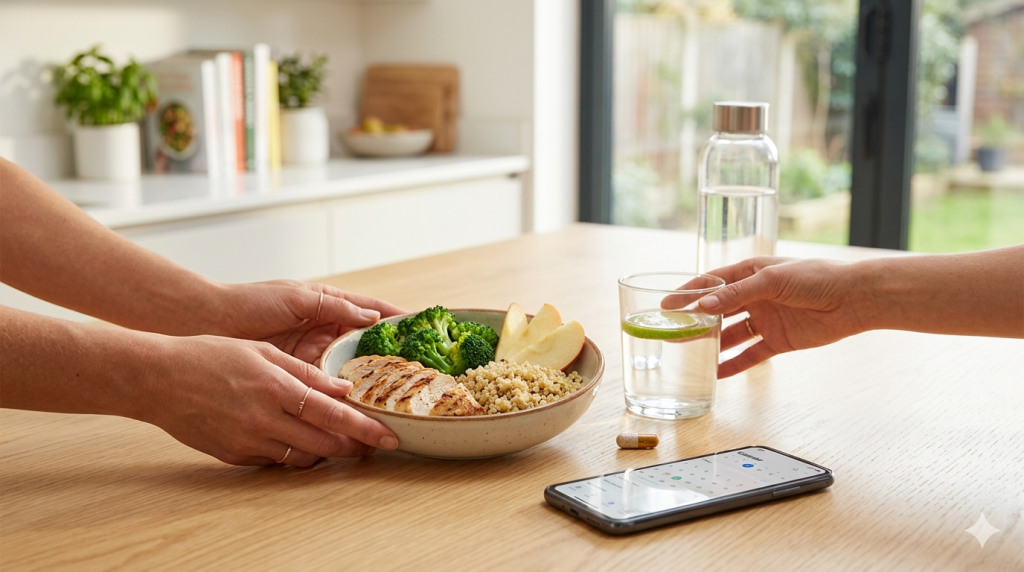
The rise of GLP-1 receptor agonists—such as semaglutide and tirzepatide—has fundamentally transformed the landscape of medical weight management. These medications, originally designed to manage type 2 diabetes, work by mimicking hormones that regulate appetite and slow gastric emptying. While their efficacy in inducing significant weight loss is well-documented, they present a unique challenge: when your appetite is suppressed, every calorie you consume must work harder for your body.
Registered dietitians are increasingly highlighting a critical “nutrition gap” that can occur during GLP-1 therapy. Because users eat significantly less, they are at a higher risk for muscle loss, micronutrient deficiencies, and “metabolic adaptation,” where the body slows its calorie-burning potential. To ensure long-term success and vitality, it is essential to move beyond the scale and focus on high-quality nutritional strategies.
The protein priority: protecting lean muscle mass
Perhaps the most significant risk associated with rapid weight loss via GLP-1 medications is the loss of lean muscle tissue. When the body is in a significant caloric deficit, it often looks to muscle protein for energy if dietary intake is insufficient. Muscle is metabolically active; losing it can lower your resting metabolic rate, making it harder to maintain weight loss in the future.
Why protein is non-negotiable
Protein provides the amino acids necessary for tissue repair, hormone production, and immune function. For those on GLP-1s, experts recommend aiming for a higher protein-to-calorie ratio than the average person. This ensures that the weight being lost comes primarily from adipose tissue (fat) rather than functional muscle.
Targeted Intake: Aim for 1.2 to 1.5 grams of protein per kilogram of body weight.
Bioavailable Sources: Prioritize lean poultry, fish, Greek yogurt, tofu, and legumes.
The Power of Timing: Distribute protein evenly throughout the day. Since satiety levels are high, eating 30 grams of protein in one sitting may be difficult; smaller, protein-rich snacks can be more manageable.
Managing the “slowed” digestive system: fiber and hydration
GLP-1 medications function by delaying gastric emptying, meaning food stays in your stomach longer. This creates a lasting feeling of fullness, but it can also lead to common side effects like nausea, reflux, and constipation.
The fiber paradox
Fiber is essential for gut health and regular bowel movements, yet high-fiber foods (like raw cruciferous vegetables) can sometimes exacerbate the feeling of bloating when digestion is already slowed.
Soluble vs. Insoluble: Focus on soluble fiber (found in oats, chia seeds, and peeled fruits) which absorbs water and moves more gently through the digestive tract.
Hydration is Key: Fiber cannot do its job without adequate water. GLP-1 medications can sometimes dampen the thirst mechanism as well. To prevent dehydration and kidney strain, users should aim for at least 2 to 3 liters of water daily, incorporating electrolytes if they experience frequent nausea or vomiting.
Micronutrient density: making every bite count
When your total food volume drops by 30% to 50%, your intake of essential vitamins and minerals drops proportionally. Traditional “empty calories” from ultra-processed snacks become a liability because they take up valuable “stomach real estate” without providing the zinc, iron, B12, or Vitamin D your body needs to function.
Strategic supplementation
While a “food first” approach is ideal, many dietitians suggest a high-quality multivitamin as an insurance policy. Specific focus should be placed on:
Vitamin B12: Especially important for those who may have been on metformin previously or those with reduced red meat intake.
Magnesium: To assist with muscle function and sleep quality, which can sometimes be disrupted during hormonal shifts.
Calcium and Vitamin D: To protect bone density, which can also be compromised during periods of rapid weight loss.
Practical meal mapping for GLP-1 users
Because large meals are often unappealing or physically uncomfortable, the traditional “three square meals” model may need to be replaced with a “grazing” strategy focused on nutrient density.
Breakfast: A protein-fortified smoothie with collagen peptides, spinach, and a small amount of almond butter.
Mid-Morning: A hard-boiled egg or a small serving of cottage cheese.
Lunch: Flaked tuna or salmon with a small portion of well-cooked quinoa and steamed zucchini.
Afternoon: A handful of walnuts or a small protein shake.
Dinner: Ground turkey sautéed with soft-cooked peppers and onions.
Conclusion: a holistic approach to longevity
GLP-1 medications are powerful tools, but they are most effective when viewed as a partner to nutritional therapy rather than a replacement for it. The goal of weight management should be “better health,” not just “lower weight.” By prioritizing protein, managing digestive health with fiber and fluids, and ensuring micronutrient density, users can achieve a body composition that is both leaner and stronger.
The journey on GLP-1s is a marathon, not a sprint. Working closely with a registered dietitian can provide a personalized roadmap that accounts for your specific metabolic needs, ensuring that as the pounds come off, your energy and health markers go up.
Frequently asked questions (FAQ)
1. Can I still eat my favorite foods while on GLP-1 medications? Yes, but you will likely find that your “portion ceiling” is much lower. It is best to eat your protein and vegetables first to ensure you get your essential nutrients before you feel too full.
2. What should I do if I feel too nauseous to eat? Focus on liquid nutrition. High-protein broths, ginger tea, and small sips of protein shakes can help maintain your intake without overtaxing your stomach. Avoid greasy or highly spicy foods, which can trigger reflux.
3. Is exercise necessary if the medication is doing the work? Absolutely. Resistance training (lifting weights) is the single best way to signal to your body to keep its muscle while losing fat. Combining strength training with a high-protein diet is the gold standard for healthy weight loss.
4. How long does it take for the digestive system to adjust? Most users find that side effects are most prominent during the first few weeks or when increasing their dosage. Small, frequent meals and staying upright after eating can help mitigate these issues.