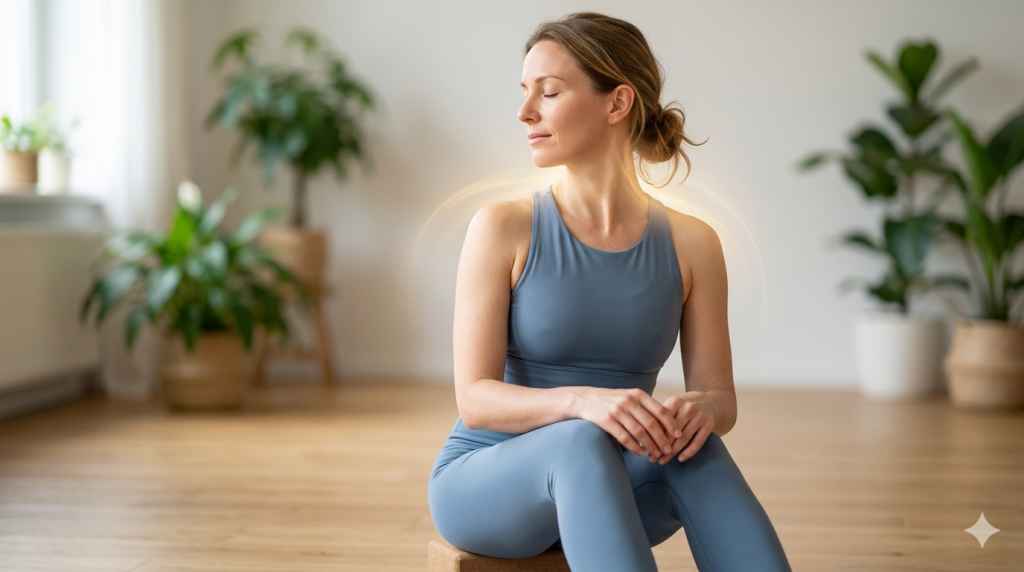
In our modern, hyper-connected world, “tech neck” is no longer just a buzzword—it’s a physical epidemic. We spend hours hunched over laptops, squinting at smartphones, and compressing our cervical spines. This sedentary lifestyle doesn’t just lead to a stiff neck; it triggers a cascade of physical discomfort, from tension headaches to restricted shoulder mobility.
While many reach for painkillers or expensive massage gadgets, the most effective solution might be hidden within your own nervous system. Kat Bayly, a renowned yoga instructor, recently shared a transformative technique that goes beyond simple stretching. By targeting the vagus nerve, this specific movement offers a “hard reset” for your upper body tension.
The Science of Stress and the Vagus Nerve
To understand why this pose works, we have to look deeper than just muscle fibers. The vagus nerve is the longest cranial nerve in your body, acting as the main component of the parasympathetic nervous system—the “rest and digest” system. It runs from the brainstem down through the neck and into the abdomen.
When we are stressed or maintain poor posture, our body often stays in a “fight or flight” state. This causes the muscles around the neck, such as the sternocleidomastoid and upper trapezius, to tighten instinctively as a protective mechanism. By performing mindful neck rotations that stimulate the area where the vagus nerve resides, we send a direct signal to the brain that it is safe to relax.
The “Greeva Sanchalana” Variation: Your Secret Weapon
The pose highlighted by Bayly is a specialized variation of Greeva Sanchalana (neck movements). Unlike a standard neck stretch where you might force a range of motion, this version prioritizes neurological feedback over physical intensity.
How to Perform the Move:
Find Your Foundation: You can do this sitting in a chair at your desk or standing tall. Ensure your spine is neutral and your shoulders are relaxed away from your ears.
The Initial Breath: Take a deep, conscious inhale through your nose. As you exhale slowly, feel your sit-bones grounding into your seat.
The Mindful Rotation: On your next exhale, slowly turn your head to look over your right shoulder. Keep your chin parallel to the floor—don’t let it drop or tilt up.
The Eye Connection: This is the crucial part. Allow your eyes to lead the movement. Look as far to the right as your eyes can comfortably go.
The “Yawn” Trigger: Hold this position. Bayly suggests holding until you feel a physical release—often manifested as a yawn, a sigh, or a swallow. This is a physiological sign that your parasympathetic nervous system has been activated.
Reset and Repeat: Inhale as you bring your head back to the center. Repeat the process on the left side.
Why This Move Is a Game-Changer for Google Discover Readers
Most fitness advice focuses on “no pain, no gain.” However, the beauty of this yoga teacher’s favorite move is its subtlety. After just one round, most practitioners notice they can turn their head significantly further on the second attempt. This immediate “win” is what makes the routine so addictive and effective for daily stress management.
Beyond the Neck: Holistic Benefits
Reduced Anxiety: By calming the vagus nerve, you lower your heart rate and cortisol levels.
Improved Vision: Relaxing the muscles around the eyes and neck can alleviate the strain caused by blue light exposure.
Better Posture: When the neck isn’t “locked” in tension, it becomes much easier to maintain an upright, confident posture throughout the day.
Complementary Poses for Total Upper Body Freedom
To maximize the effects of the Greeva Sanchalana variation, consider integrating these two moves into a 5-minute daily “desk break” routine:
Eagle Arms (Garudasana Variation): Cross your arms at the elbows and wrists in front of your face. This spreads the shoulder blades and releases the “knots” in the upper back that often contribute to neck pulling.
Sphinx Pose with Support: Lie on your stomach with a yoga block under your forehead. This allows the back of the neck (the suboccipital muscles) to lengthen passively, providing a deep sense of relief after a long day of “forward head posture.”
The Verdict: Consistency Over Intensity
The takeaway from yoga experts is clear: you don’t need a 90-minute hot yoga session to fix your neck pain. The key is small, frequent neurological resets. By incorporating this vagus nerve stimulation into your morning routine or your mid-afternoon “slump” period, you can prevent chronic tension from becoming a permanent fixture in your life.
Conclusion
Unlocking neck tension is less about “stretching a rubber band” and more about “reprogramming the computer.” By using mindful movements like the Greeva Sanchalana variation, you aren’t just pulling on muscles—you are talking to your nervous system. This yoga teacher-approved method is fast, free, and can be done anywhere, making it the ultimate tool for the modern professional.
FAQ: Frequently Asked Questions
Q: How often should I practice this neck movement? A: You can practice this safely 3-5 times a day. It is especially effective during transitions, such as starting your workday, after lunch, or before bed.
Q: Why do I yawn when I hold the pose? A: Yawning is a common sign of “vagal tone” activation. It indicates that your body is shifting from a stressed state to a relaxed, parasympathetic state.
Q: What if I feel a sharp pain while turning my head? A: Yoga should never cause sharp pain. If you feel a “pinch,” back off slightly. Focus on the eye movement and breath rather than the physical depth of the turn.
Q: Can this help with migraines? A: Many tension headaches and migraines are exacerbated by tightness in the neck and base of the skull. While not a “cure,” many find that regular vagus nerve stimulation reduces the frequency and intensity of these headaches.
Q: Do I need any equipment? A: No. The beauty of this specific pose is that it requires zero equipment, making it perfect for office environments or travel.